I geek out on people and design things that make their lives a little easier
Designing products that make essentialexperiences feel easier.
βFrom operational workflows to communityplatforms, I focus on creating intuitive systems that reduce friction andimprove access.

The Measurement Ops team was drowning in a tool that made zero sense. I spent time actually watching how they worked, asked a lot of "wait, why do you do it that way?" questions, and designed something that finally matched how they think β not how an engineer assumed they'd think.

Therapists are already carrying so much β they shouldn't have to hunt across 12 different tabs just to find a resource for a client. I wanted to design something that felt like a deep breath. One place, everything you need, nothing in the way.
Read case study β
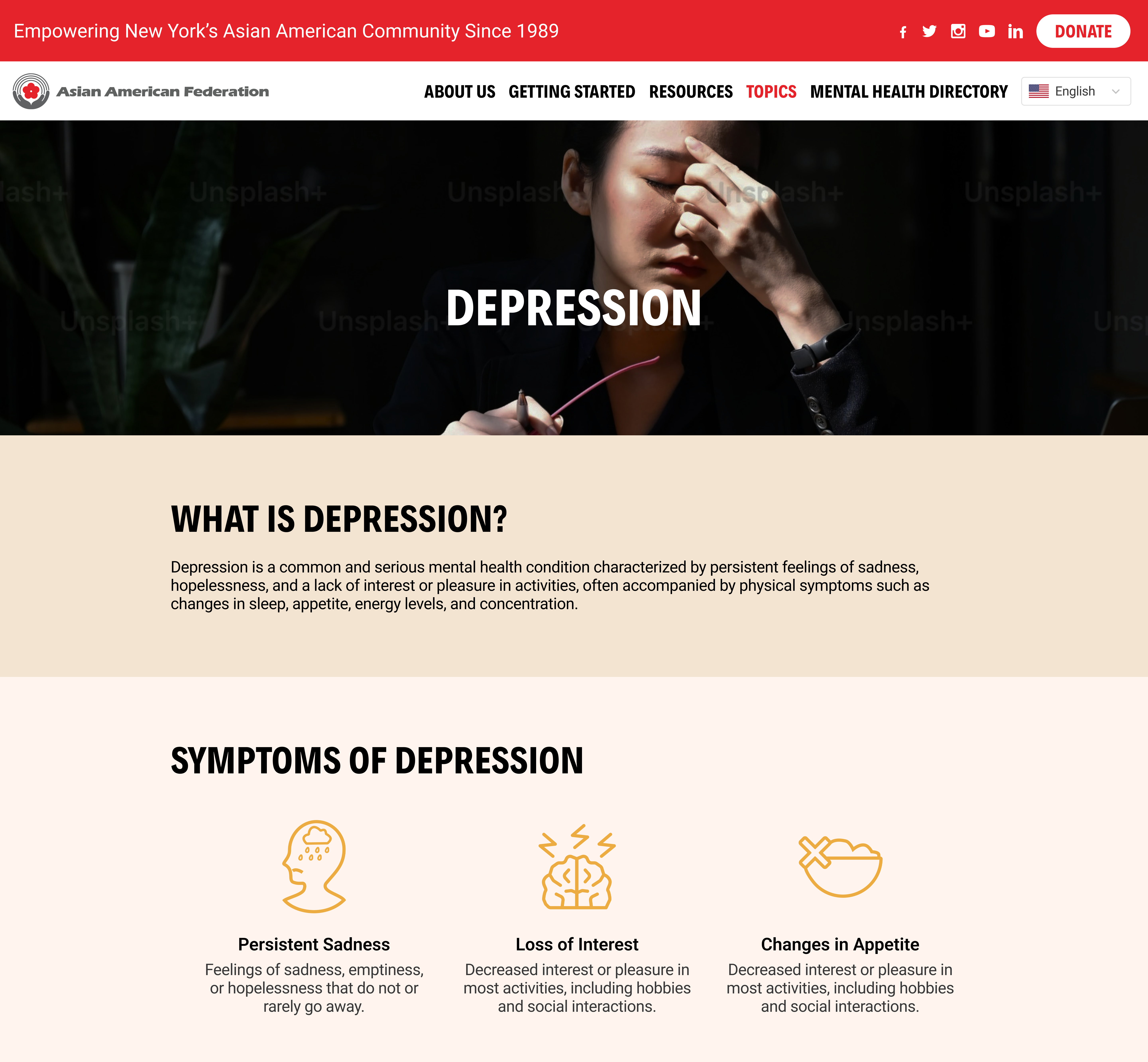
This one's personal. A lot of people in the Asian community want help but don't know where to start β or feel like the resources out there just weren't made for them. I helped design something that actually was. From the language to the layout to how it felt to land on the page.
Read case study β
04 / 04
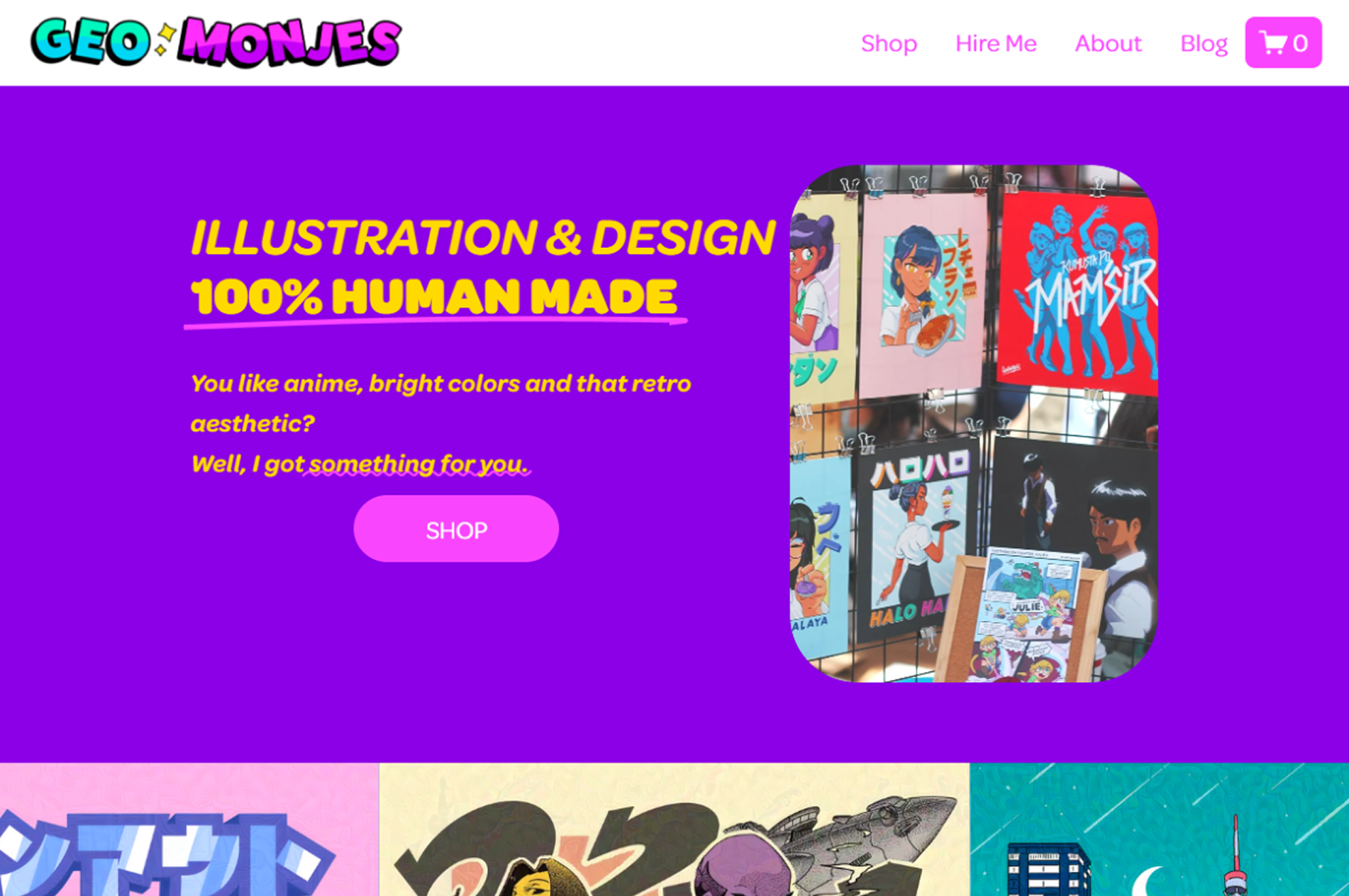
The artist had a beautiful portfolio that wasnβt doing her any favors. I redesigned her Squarespace site from the ground up β reorganizing the IA, strengthening the visual identity, and creating a clearer path to commissions and the shop.
Read case study β
Iβm Kristine Huynh, a product designer focused on building clear, scalable systems for complex, real-world problems.
I design across operational tools, nonprofit platforms, and consumer-facing experiences, with a focus on simplifying information-heavy workflows and improving access to essential resources.
My work often sits at the intersection of systems thinking, accessibility, and human-centered design.
Across my projects, Iβve partnered with cross-functional teams, nonprofits, and small businesses to translate fragmented or complex environments into structured, usable product experiencesβwhether that means improving internal reporting workflows, centralizing mental health resources, or redesigning e-commerce experiences within platform constraints.I care most about designing products that are not just usable, but understandable: where information architecture, content clarity, and interaction design work together to reduce friction and support real decision-making.
Currently, Iβm interested in product design roles where I can continue working on systems-level problems, especially in areas like operational tooling, accessibility, and mission-driven products.
Outside of Figma, I'm probably somewhere in the Bay with Bunny, or noticing some weird UX decision in the wild and sending it to my friends who didn't ask.
I talk to actual humans before I touch Figma. What are they not saying out loud? That's the interesting stuff.
I find the patterns and the 'aha' moments. Then determine the actual problem, which is usually different from what was asked.
Start with low-fidelity designs. I create rough drafts, present them to users, observe their feedback, and iterate.
Getting it out there is how you really learn. Design doesn't stop when the handoff doc is done.
Bunny does not care about design feedback and honestly that's really grounding. Best coworker I've ever had.
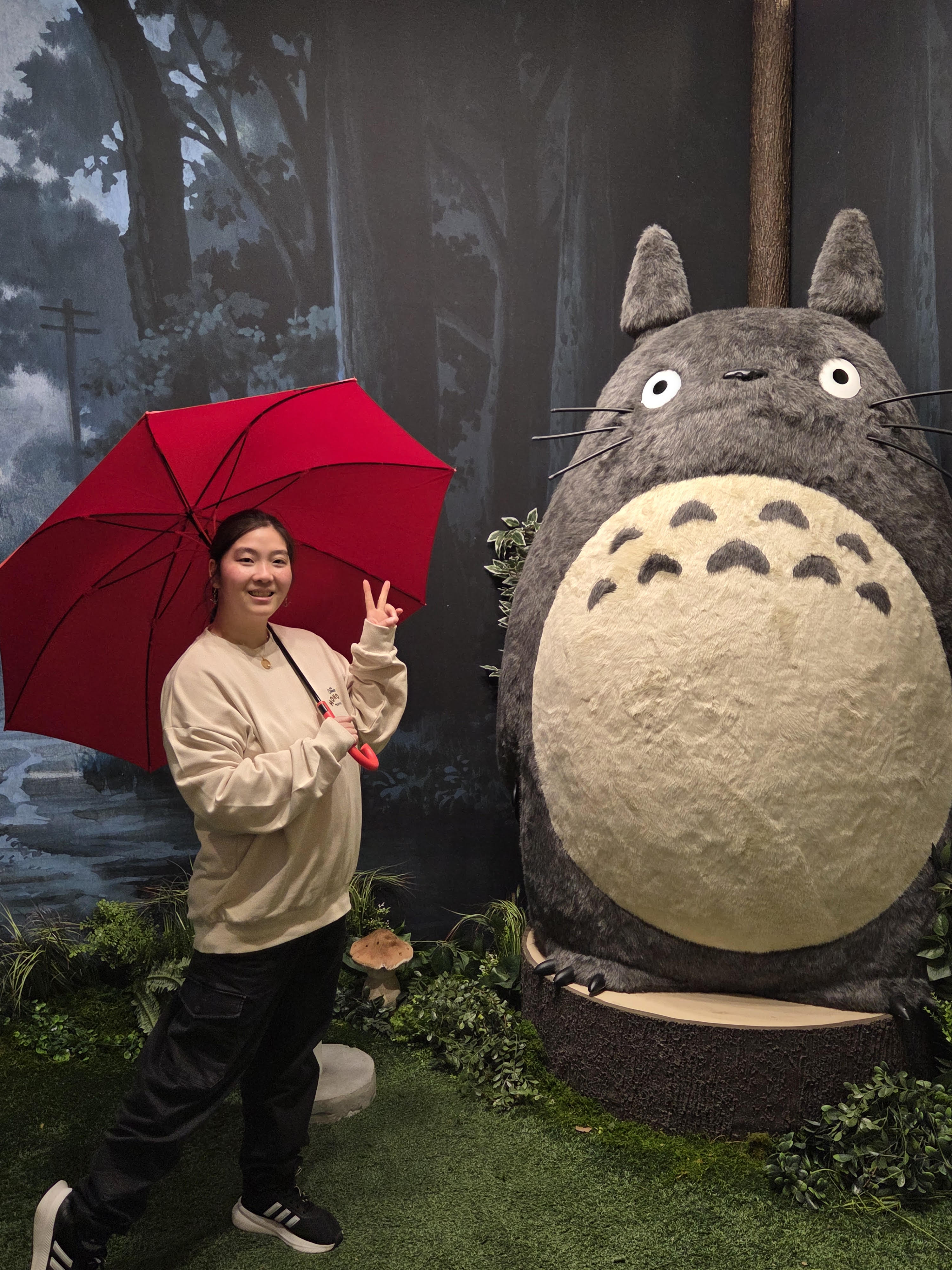
Born and raised here. I love hiking and discovering new places ; always on the hunt for new food spots and desserts to try.
Making something tangible with your hands after staring at a screen all day is really satisfying.
It shouldn't be hard to find help when you need it. That's why I keep coming back to this space.
A work in progress, literally. I keep dropping stitches and starting over. The process is the point, right?
I ask a lot of questions. That's usually where the good design decisions come from.
Whether you've got a role, a project, or just want to talk design β I'm genuinely happy to hear from you. No pressure, no pitch.